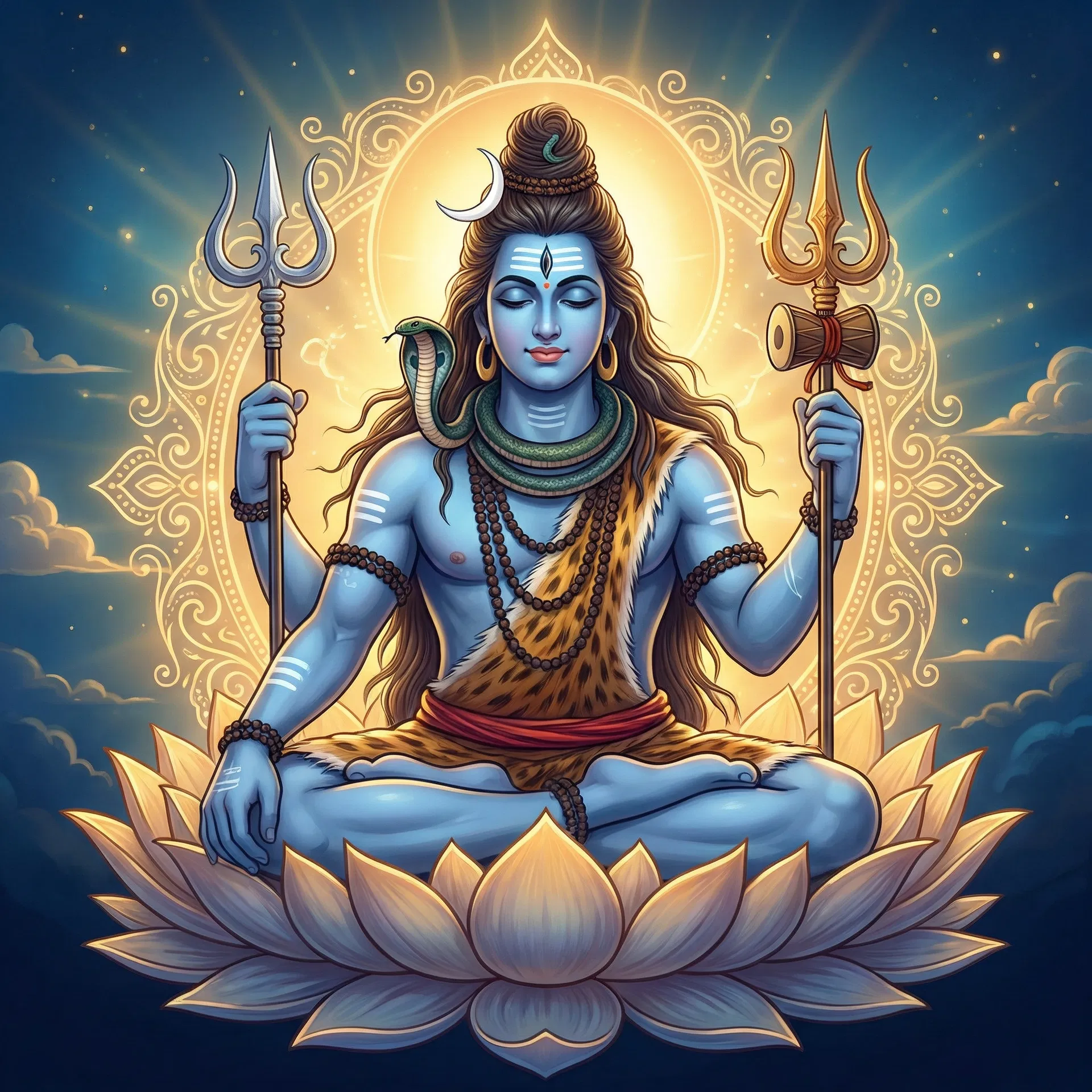
🕉️ Mahashivratri
The Great Night of Shiva - A Festival of Spiritual Awakening and Divine Transformation
February 15, 2026 (Sunday)
What is Mahashivratri?
Mahashivratri, meaning "The Great Night of Shiva," is one of the most important Hindu festivals celebrated annually to worship Lord Shiva. It falls on the 14th day of the dark fortnight (Krishna Paksha) in the lunar month of Phalguna, typically between February and March.
Festival Date & Timing (2026)
| Event | Date & Time |
|---|---|
| Chaturdashi Tithi Begins | February 15, 2026 - 05:04 PM |
| Chaturdashi Tithi Ends | February 16, 2026 - 05:34 PM |
| Festival Day | Sunday, February 15, 2026 |
Key Characteristics
Unlike most Hindu festivals that are celebrated during the day, Mahashivratri is celebrated at night. It is a solemn event notable for its introspective focus, fasting, meditation on Shiva, self-study, social harmony, and an all-night vigil at Shiva temples. The celebration includes maintaining a jagarana (all-night vigil and prayers), because Shaiva Hindus mark this night as "overcoming darkness and ignorance" in one's life and the world through Shiva.
Spiritual & Mythological Significance
Mythological Importance
Marriage of Shiva and Parvati
Mahashivratri commemorates the sacred wedding of Lord Shiva and Goddess Parvati, one of the most significant events in Hindu mythology.
The Cosmic Tandava Dance
The festival celebrates Shiva's cosmic dance of creation, preservation, and destruction - the eternal cycle of the universe.
Samudra Manthan (Ocean Churning)
On this day, Lord Shiva consumed the poison (Halahala) produced during the churning of the cosmic ocean to save the world, acquiring the epithet Nilakantha (blue-throated).
Manifestation of the Lingam
The festival marks the manifestation of Shiva in the form of the lingam, the sacred symbol representing the infinite and formless nature of the divine.
Spiritual Significance
- Overcoming Darkness and Ignorance: The festival symbolizes overcoming darkness and ignorance in life and the world through spiritual awakening.
- Night of Stillness: For ascetics, it represents the night when Shiva became absolutely still and one with Mount Kailash after deep meditation.
- Spiritual Awakening: A night of special spiritual significance when the northern hemisphere is positioned to create a natural upsurge of energy in human beings.
- Liberation: An opportunity to experience the vastness of emptiness within, which is the source of all creation.
- Purification: A time for introspection, purification, and spiritual awakening through sincere devotion.
Mahashivratri Rituals & Worship
Key Observances
| Observance | Description |
|---|---|
| Fasting (Vrat) | Observe fast from morning till parana time (after sunrise on the next day) |
| Self-Study (Svadhyaya) | Read and contemplate on Shiva scriptures and spiritual texts |
| Jagarana | All-night vigil and prayers, staying awake with spine vertical |
| Lingam Puja | Worship of the sacred lingam with ritualistic offerings |
| Yoga & Meditation | Practice yoga asanas and meditate on Shiva |
| Chanting | Chant mantras, hymns, and devotional songs |
Step-by-Step Puja Rituals
1. Early Morning Preparation
- Wake up early in the morning
- Clean the house and puja room thoroughly
- Take a holy bath
- Wear clean, white clothes
2. Sankalp (Resolution)
- Take a vow to observe the fast
- Declare your intention with pure heart
- Set the duration from morning till parana time
3. Temple Visit or Home Worship
- Visit Shiva temples for Jalabhishekam (water ablution)
- Perform Rudrabhishekam (elaborate ritual bathing)
- Light a diya (lamp) with desi ghee
- Light incense sticks (agarbatti)
4. Offerings to Shiva
- Offer fruits, leaves, sweets, and milk
- Apply sandalwood paste to the lingam
- Decorate with flowers and Belpatra (bilva leaves)
- Perform Gathbandhan (tying sacred thread)
5. Abhishekam at Home
- Make clay Shivalingam at home
- Perform abhishekam with milk, yogurt, honey, ghee, and water
- Chant mantras during the ritual
6. Chanting & Prayer
- Chant the sacred Panchakshara mantra: "Om Namah Shivaya"
- Recite Shiva Chalisa (40-verse hymn)
- Chant Rudrashtakam (8-verse hymn)
- Complete puja with aarti (ritual of worship with light)
All-Night Vigil (Jagarana)
The most important aspect of Mahashivratri is staying awake throughout the entire night. During this vigil:
- Keep your spine vertical to allow spiritual energy to flow
- Meditate on Shiva's form or the lingam
- Chant mantras and hymns continuously
- Read Shiva scriptures and spiritual texts
- Engage in devotional singing and bhajans
- Maintain a state of mindfulness and awareness
Sacred Mantras & Prayers
1. Panchakshara Mantra (Five-Syllable Mantra)
The most sacred and powerful mantra of Lord Shiva, chanted throughout the day in Shiva temples.
2. Maha Mrityunjaya Mantra (The Great Death-Conquering Mantra)
उर्वारुकमिव बन्धनान्मृत्योर्मुक्षीय मामृतात्।।
Urvarukmiv Bandhanan Mrityor Mukshiya Mamritat
One of the most powerful Shiva mantras from the Rig Veda, traditionally chanted 108 times.
3. Shiva Chalisa (40-Verse Prayer)
कहत अयोध्या दास तुम, देव अभय वरदान।।
Kahat Ayodhya Das Tum, Dev Abhay Vardan
मुंडमाल बिभूषन सोहत, त्रिपुरारि मन मोहत।।
Mundmal Bibhushan Sohat, Tripurari Man Mohat
जो यह पाठ करे मन लाई, ता पर होत है शम्भु सहाई।।
Jo Yah Path Kare Man Lai, Ta Par Hote Hai Shambhu Sahay
4. Rudrashtakam (Eight-Verse Hymn)
निजं निर्गुणं निर्विकल्पं निरीहं चिदानन्दमास्तं तमास्तं त्रिमूर्तिम्।।
Nijam Nirgunam Nirvikalpam Niriham Chidanandam Astam Tam Astam Trimurti
निजं निर्गुणं निर्विकल्पं निरीहं चिदानन्दमास्तं तमास्तं त्रिमूर्तिम्।।
Nijam Nirgunam Nirvikalpam Niriham Chidanandam Astam Tam Astam Trimurti
ये पठन्ति नरा भक्त्या तेषां शम्भुः प्रसीदति।।
Ye Pathanti Nara Bhaktya Tesham Shambhuh Prasidati
5. Shiva Aarti (Ritual of Worship with Light)
प्रधान पराप्रम, परब्रह्म परमेश्वरा।।
Pradhan Paratparam, Parabrahma Parameshwara
जय महाकाल, जय महाकाल, जय महाकाल भोलेनाथ।।
Jai Mahakal, Jai Mahakal, Jai Mahakal Bholenanth
Fasting Guidelines
Types of Fasting
Complete Fast (Nirjala Vrat)
No food or water throughout the day and night. This is the most rigorous form of fasting, suitable for experienced devotees with good health.
Partial Fast (Phalahar)
Consume only fruits, milk, yogurt, and light foods. This is the most common form of fasting practiced by devotees.
Modified Fast
Consume sattvic (pure) foods like fruits, milk, honey, and nuts. Avoid grains and non-vegetarian food.
Fasting Guidelines
- Observe fast from morning till parana time (after sunrise on the next day)
- Drink water regularly to stay hydrated
- Avoid non-vegetarian food, onion, and garlic
- Consume sattvic (pure) foods that are light and easy to digest
- Break the fast with light, nutritious food after sunrise on the next day
- Maintain purity of thoughts and actions during the fast
- Avoid negative emotions and engage in spiritual practices
Foods to Consume During Fasting
| Category | Examples |
|---|---|
| Fruits | Bananas, apples, oranges, pomegranates, grapes, melons |
| Dairy | Milk, yogurt, paneer, ghee, butter |
| Nuts & Seeds | Almonds, cashews, walnuts, pumpkin seeds |
| Other Items | Honey, jaggery, rock salt, herbal tea |
Foods to Avoid During Fasting
- Non-vegetarian food (meat, fish, eggs)
- Onion and garlic
- Grains and cereals
- Legumes and beans
- Alcohol and intoxicants
- Processed and spicy foods
- Tea and coffee (except herbal tea)
Benefits of Mahashivratri Observance
Spiritual Purification
Cleansing of past sins and karmic debts through sincere devotion and spiritual practices.
Spiritual Awakening
Heightened spiritual consciousness and awareness through meditation and prayer.
Mental Peace
Meditation and prayers bring mental tranquility and inner peace.
Physical Health
Fasting and yoga practices improve physical health and vitality.
Fulfillment of Desires
Sincere prayers are believed to fulfill genuine desires and aspirations.
Liberation (Moksha)
Regular observance leads towards spiritual liberation and union with the divine.
Divine Protection
Divine protection from negative energies and obstacles in life.
Personal Transformation
Opportunity for personal transformation and spiritual growth.
Key Principles for Mahashivratri Observance
| Principle | Description |
|---|---|
| Purity of Intention | Approach the festival with pure and sincere devotion |
| Vertical Spine | Keep spine vertical throughout the night vigil for spiritual benefits |
| Mindfulness | Be present and conscious during all rituals |
| Devotion | Perform all acts with devotion and surrender to Shiva |
| Discipline | Maintain discipline in fasting and meditation |
| Compassion | Practice kindness and forgiveness towards all beings |
| Simplicity | Avoid extravagance; keep celebrations simple and spiritual |
Dos and Don'ts
✓ Dos
- Wake up early and bathe
- Wear clean clothes
- Fast with devotion
- Chant mantras with sincerity
- Stay awake throughout the night
- Meditate and practice yoga
- Offer flowers and fruits
- Visit temples
- Help others and practice charity
✗ Don'ts
- Don't break the fast before parana time
- Don't consume non-vegetarian food
- Don't engage in negative thoughts
- Don't miss the all-night vigil if possible
- Don't neglect cleanliness
- Don't engage in gossip or negativity
- Don't waste food
- Don't perform auspicious activities before completing the fast
Regional Celebrations
India
Tamil Nadu
Celebrated with great pomp at Annamalaiyar temple in Tiruvannamalai with the Girivalam ritual - a 14-kilometer barefoot walk around the temple.
Kanyakumari
Sivalaya Ottam is celebrated - a ritual marathon to 12 Shiva shrines in the district.
Maharashtra
Major celebrations with large gatherings at various Shiva temples across the state.
Himachal Pradesh
The famous Mandi Shivaratri Fair attracts thousands of devotees and pilgrims.
Other Regions
- Nepal: Known as "Herath" or "Haerath" by Shiva devotees, celebrated with similar rituals and observances
- Pakistan: Celebrated in regions with Hindu populations
- Global Hindu Communities: Celebrated worldwide by Hindu devotees
Conclusion
Mahashivratri is a sacred festival that offers devotees an opportunity for spiritual transformation, purification, and awakening. Through sincere devotion, meditation, fasting, and prayer, devotees can experience the divine presence of Lord Shiva and attain spiritual growth and liberation. The festival reminds us that within each of us lies the potential for spiritual awakening and transformation. By observing Mahashivratri with dedication and sincerity, we honor not only Lord Shiva but also our own divine nature.
May this sacred night of Mahashivratri bring spiritual awakening, peace, and divine blessings to all. Om Namah Shivaya! 🕉️